Alignment in teams and organizations
Is alignment a process or a practice? A process of clarification leading to agreement or consensus? or a team practice that self corrects the path toward shared expectations? Is alignment an uphill or a downhill journey?
Ambidexterity
The two conditions of the ambidextrous mindset—accelerating change and increasing interdependence—my be internal or external to an organization. The paradoxical mindset is about optimizing the existing (exploitation) and developing the new (exploration). Strategic agility demands that leaders have one foot inside and one foot outside of the organization.
Beginnings
A beginning is everything and nothing: everything because it is a new opportunity, fresh and full of promise; nothing because it is just another moment in the continuum of your life, your work, your dreams, etc. Shoshin, the beginner’s mind, is about projecting openness, eagerness and a lack of preconceptions to everything we do.
The Change Compass
Crafting solutions
According to Richard Sennett, craft is the pursuit of the job well done for its own sake. If you have ever crafted (physical) things with materials and time, you know that the craft mindset works for mental models, frameworks, ideas, problems and solutions too. Excellence in problem solving is in the shift from finding a solution to crafting a solution.
Crafting solutions in 750 max.
Creative organizations
Is a creative organization a matter of people, culture or operations? A creative organization is a process of constant transformation towards a culture of embedded creativity, imagination and innovation. Unlike what some may believe, creativity is not the enemy or productivity, but its complement.
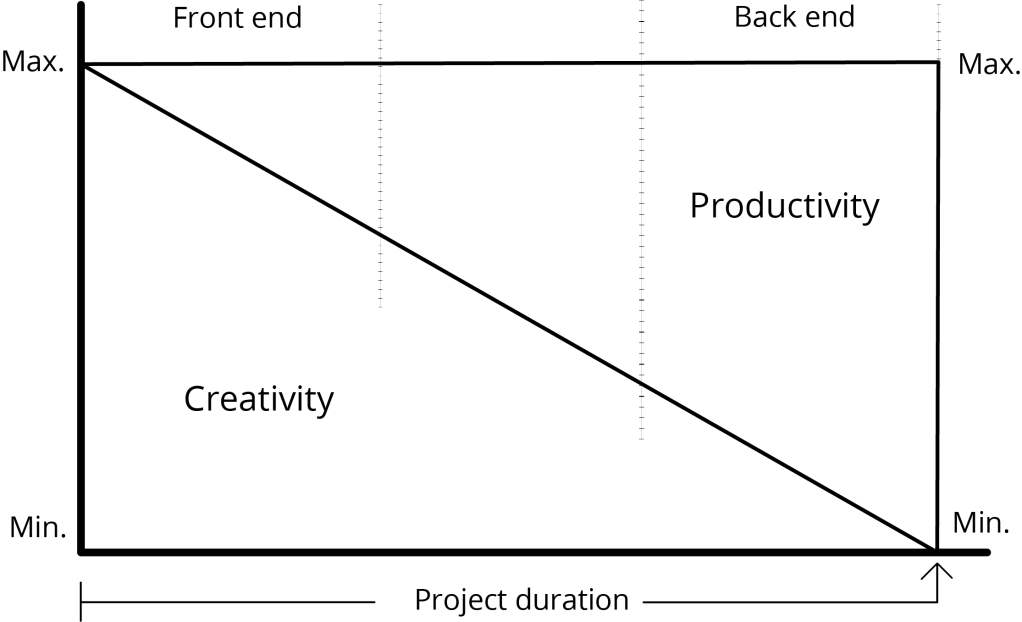
Creative organizations in 750 max.
Critique
A culture of ideas
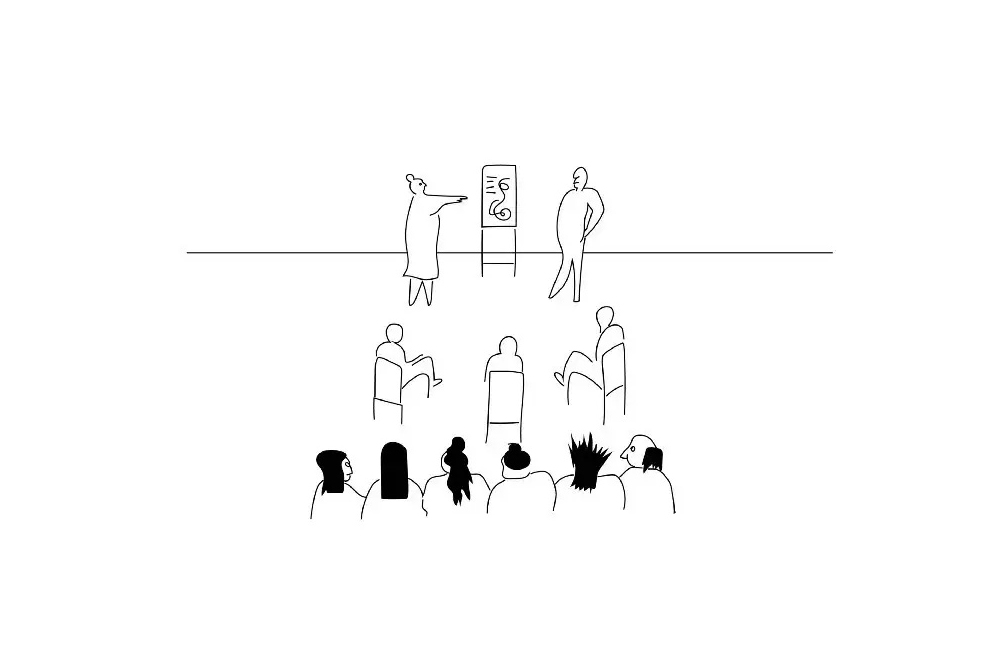
A culture of ideas is about going fast, what-iffing your way through the challenges; subject-matter expertise is about going slow and not taking risks, sticking to what you know. The context of innovation is one founded on participation, diversity, trust and a culture of ideas that is not afraid of the status quo.
Innovation, subject-matter expertise and a culture of ideas in 750 max.
Everything we do is a combination of three variables (AUDIO)
Design districts
One way to define design is as a bundle of opposites: creative and logical; short term and long term; idea-driven and fact-driven, etc. Like a map of adjacent districts, design can also be seen as a series of districts of thought and action that define contexts of productivity and creativity.
 Enrique Martínez González